
By Gaby Dufresne-Cyr, CBT-FLE
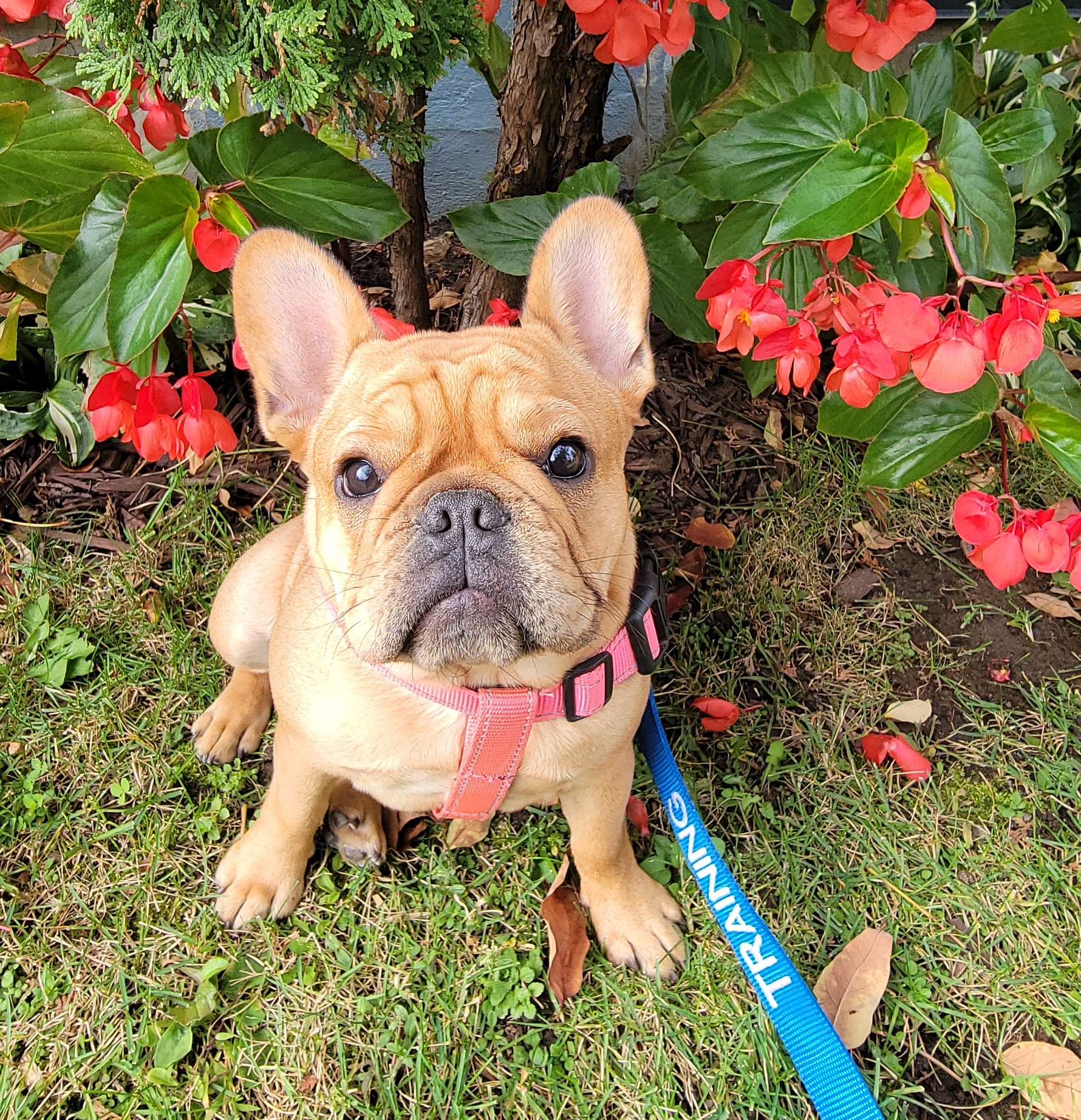
Training a dog to sit on command in various environments is one of the foundational skills of dog training. Whether at home or out on a busy street, a reliable sit can help keep your dog focused, responsive, and well-behaved. This guide will walk you through training your dog to sit using a simple, lure-free approach in different environments. Let’s get started!
Step 1: Capture the Sit
Before adding any cues, we start by capturing the behaviour. Capturing means observing your dog closely and rewarding them for naturally sitting without prompting. Reward the first sit profusely. The goal is to let your dog know which behaviour you are expecting.
1. Watch and Reward: Begin by waiting until your dog sits on their own. As soon as they do, mark the behaviour using a clicker or a specific word like good and immediately follow up with a treat.
2. Repeat 15-20 Times: Each time your dog sits without any encouragement, mark and treat the behaviour. After three inital large rewards, downsize to one or two treats, depending on your dog's size. You can use their daily food ration for training.
Repeating this 15 to 20 times will help your dog associate the act of sitting with receiving a reward, reinforcing the behaviour. This stage is key to laying the groundwork for what’s to come, helping your dog recognize that sitting is a behaviour worth repeating.
Step 2: Add the Cue
Now that your dog is associating sitting with rewards*, it’s time to add a cue. You can choose either a verbal cue, like sit, or a visual cue, such as a hand signal.
1. Introduce the Cue: Start by saying or showing your chosen cue just before your dog sits. Continue marking and rewarding immediately as they sit. By pairing the cue with the action, your dog will learn that this word or signal means sit.
2. Reinforce with Repetition: Practice this another 15 to 20 times. Consistency is crucial, so stick to the same cue and reward pattern.
3. Practice Inside with the 3Ds (Duration, Distance, and Distraction): Once your dog reliably sits on cue, start practicing in different areas inside your home. Gradually add the three elements of the 3Ds, one at a time, to make the command more reliable:
- Duration: Ask your dog to sit and increase the time they hold the position before marking and rewarding. Ideally for 30 seconds. Once mastered, take a step back and turn around. Reward after 30 seconds. Distance requires you to turn and walk away; thus, sit/stay with your back turned is vital for the next D.
- Distance: Move slightly further away from your dog each time you cue them to sit. Start small and gradually increase the distance.
- Distraction: Practice with mild distractions, such as people walking by or background noise. Over time, increase the level of distraction, preparing your dog to respond in busier environments. A good time to practice stay is when people come to your house or return home from an outind/work.
By gradually adding these challenges, you’ll help your dog generalize the behaviour across different scenarios and maintain focus under various conditions.
* A dog that systematically performs the behaviour within 15 seconds everytime you change locations is said to understand the behaviour. Do it 10Xs to see if it understands 100% of the time. Only move to Step 2 if it does.
Step 3: Practice Outside
Now it’s time to practice in new, outdoor environments. Because the outdoors brings in more distractions, start by returning to Step 2. Name the behaviour when your dog sits.
1. Reintroduce the Cue: Begin as you did inside, using the cue just before your dog sits. Mark and reward as they respond to the cue.
2. Incorporate the 3Ds Outside: Repeat the process of adding duration, distance, and distraction while outside. The goal is to teach your dog that sit applies everywhere—whether in your yard, at the park, or in a busy public space.
3. Keep Sessions Short and Rewarding: Outdoor environments can be more stimulating, so keep training sessions brief and engaging. Praise, treats, and patience go a long way in reinforcing the behaviour.
Bombproofing sit is a vital skill for every dog. It prevents them from jumping on people or things. It also makes greetings more enjoyable and less dangerous, especially around children. If you avoid using lures (food bribes), your dog will work for you, not food, making their behaviours reliable.
Final Thoughts
With consistent practice across various settings, your dog will learn to sit on cue wherever you are. Taking the time to gradually introduce distractions, increase duration, and adjust distance will make the behaviour reliable and well-understood in any environment.
Remember, patience and positive reinforcement are the keys to successful training. Stick to this plan, keep sessions enjoyable, and watch as your dog masters the art of sitting on command, no matter where life takes you both.